You Are Here: Exploring Olympia at the Olympia AHA Museum
September 1, 2026By Wade Stine, Thomas Architecture Studios
This article is part of Alliance Committee Voices, an ongoing series highlighting stories from committee members of the Olympia Downtown Alliance.
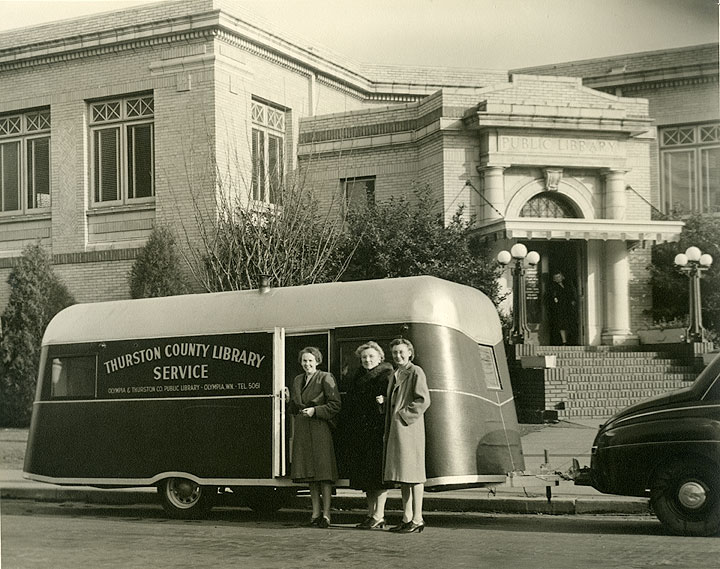
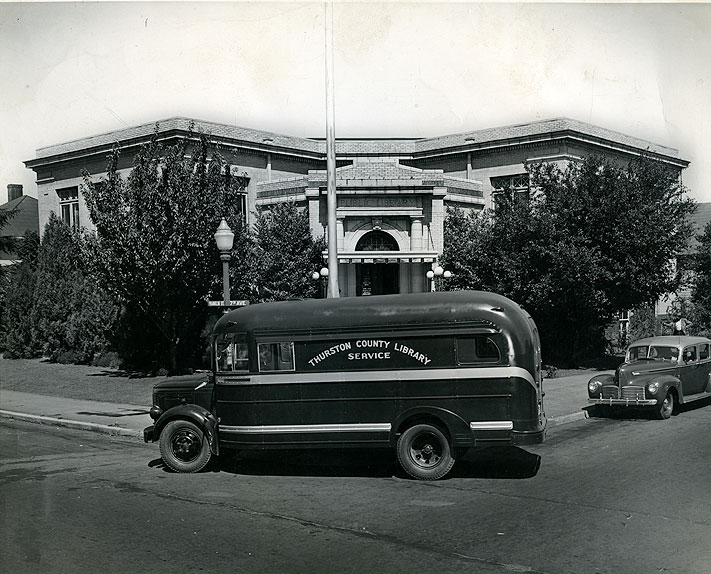
An early Thurston County Library Service bookmobile parked outside Olympia’s Carnegie Library, circa 1930–1948. Photograph courtesy of the Washington State Historical Society.
A Novel Beginning: Memories of Olympia’s Carnegie Library
It was late summer in 1978, and the morning sunlight streamed through the east-facing windows of Olympia’s 1914 Carnegie Library. I was kneeling down, carefully placing books into boxes and trying to preserve the order they had held on the shelves. I was not yet a teenager, and I was not a bookworm. This place was my kryptonite and this was definitely not how I wanted to spend my weekend.
At the time, I had little appreciation for the history of the library’s collection or the building around me. In 1869, the Good Templars Lodge hosted a reading room containing books and magazines donated by local citizens. In 1896, the Women’s Club of Olympia began collecting materials, and in 1909, the City took over their collection of 900 books. After the construction of the Carnegie Library, the building was expanded in 1960, but once again, it was too small. Without room to grow, the collection needed to be moved.
On this day, I was simply helping move books and magazines to their new home. The work seemed tedious, and the significance of the building itself was lost on me. I could not have known that this experience would become part of a lifelong education in architecture and foster an appreciation for the value of older buildings.
Turning the Page on a Historic Landmark
The Carnegie Library was one of architect Joseph Wohleb’s early projects in Olympia, completed in association with the architectural firm Blackwell and Baker. Wohleb would go on to shape much of the city’s architectural identity and become one of the region’s most important architects during the early decades of Washington statehood.
The Carnegie formula was straightforward: Andrew Carnegie provided grants for library construction, while communities supplied the land and pledged annual public funding equal to at least 10 percent of the grant amount to support books, staff, and building operations. In Olympia, the library was constructed for $25,000. In return, it provided a place where people could read, learn, research, and explore. It was one of the more selfless acts of philanthropy during an era often defined by industrial wealth and corporate power. As the books disappeared from its shelves, the library was entering a new chapter of its own.
One of the most important lessons historic buildings can teach us is that preservation does not mean freezing a building in time. Sometimes, finding a new purpose is the best way to ensure a building’s survival.

Old Walls, New Stories
Today, the old Carnegie Library is being adapted once again as the Carnegie Whisky Library, a unique gathering place that celebrates the craftsmanship of both fine spirits and historic architecture. The adaptive reuse will breathe new life into the long-vacant structure, ensuring its continued relevance and enjoyment by the community. The two-story facility will feature whiskey lounges and bars throughout, offering spaces for conversation and community engagement. The lower level will include accessible entries, a conference room, and member-only lounge areas. The upper floor, with its impressive high ceilings and daylight-filled spaces, will be open to all guests, preserving the building’s sense of openness and civic spirit.
The project will give the building new purpose while preserving the architectural materials, details and character that connects it to its history. The historic exterior and significant interior features, including the bookshelves that once held the volumes I helped carry away, will remain.
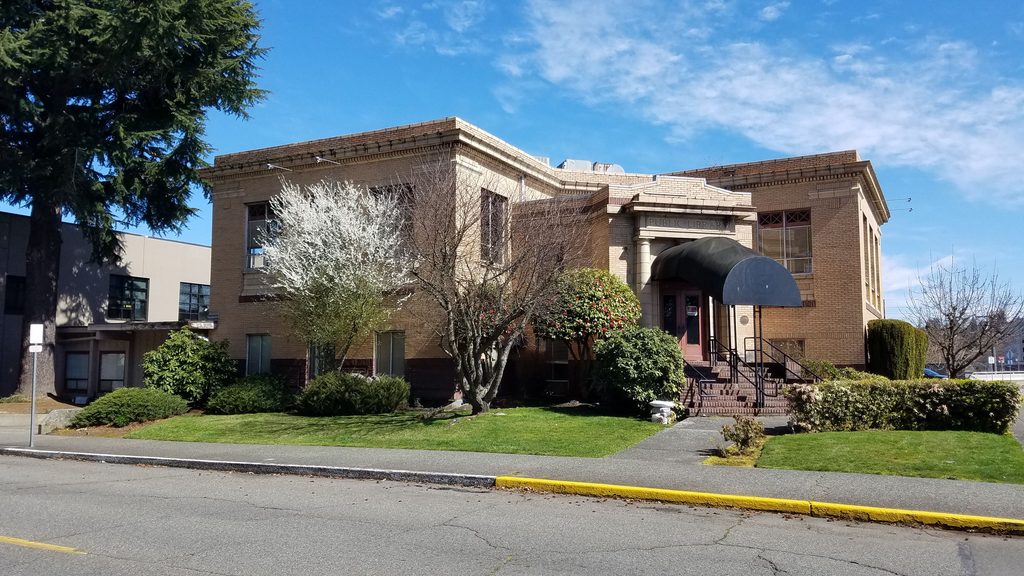
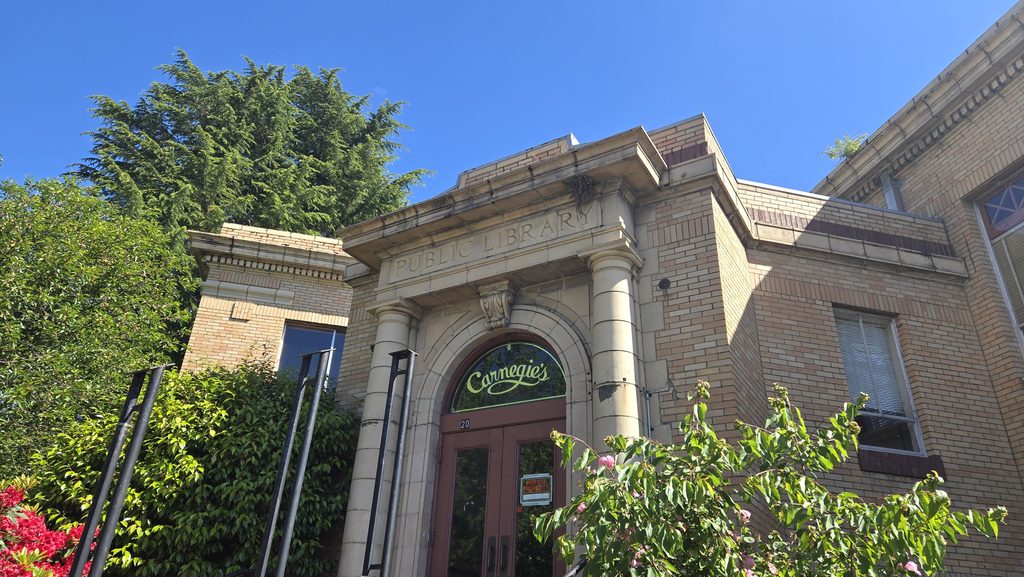
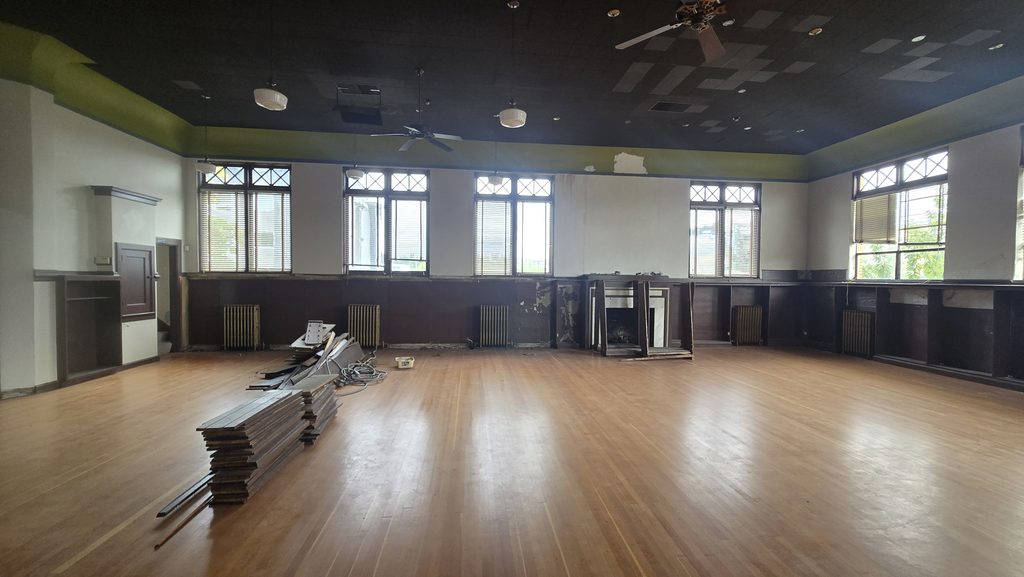

Photo Credit: Thomas Architecture Studios
Preserving the Past, Building the Future
Adaptive reuse of historic buildings is about more than the architecture. It preserves the cultural memory of a place and helps maintain the fabric and continuity of a historic downtown. Every building that is saved provides a tangible connection to the people and events that came before us and reminds us that communities are built over generations.
There is also an environmental lesson in architectural rehabilitation. Existing buildings represent an investment of energy and resources that has already been made. Reusing them reduces demolition waste, limits the need for new materials, and preserves craftsmanship and resources that may be impossible to replace.
As the Carnegie Library begins its next life, I find myself thinking again about those shelves, those books, and those boxes. At the time, we were helping close one chapter. Looking back, perhaps we were simply making room for the chapters still to come.